Belling: A Stylish Handwritten Display Font for Creative Projects
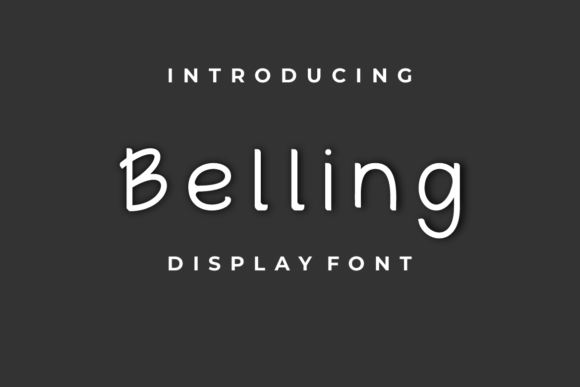
When it comes to adding personality and flair to your design work, the right font can make all the difference. Belling is a cool and fun handwritten display font that brings warmth and creativity to any project. Its organic feel and expressive strokes make it ideal for branding, invitations, social media content, and more. But like many creative tools, using Belling effectively requires understanding both its strengths and potential pitfalls.
What Makes Belling Special?
Belling stands out because of its natural, hand-drawn appearance. It mimics the spontaneity of real handwriting while maintaining consistency and legibility—important traits when designing for print or digital use. The font’s playful yet elegant style works well in contexts where you want to convey approachability, authenticity, or a personal touch.
Whether you're a marketer creating a campaign poster, an entrepreneur crafting a logo, or a blogger looking to add visual interest to a title, Belling offers a unique aesthetic that can elevate your work. However, not every project is suited for this kind of font, and misusing it can lead to confusion or reduced readability.
Common Mistakes When Choosing Belling
One of the most common mistakes people make is using Belling in situations where clarity is more important than style. For example, applying it in body text or long paragraphs can be overwhelming and difficult to read. Display fonts like Belling are meant to grab attention, not to be used for large amounts of content.
Another frequent error is not considering the font's compatibility with other typefaces. Mixing Belling with too many other styles can create a cluttered look, diluting the message rather than enhancing it. It’s crucial to pair it with complementary fonts that balance its uniqueness without clashing.
How These Errors Impact Your Work
Using Belling incorrectly can affect several aspects of your design:
- Usability: If the font is hard to read, users may lose interest quickly, especially in web or mobile environments.
- Communication: Poorly chosen fonts can distort the tone you’re trying to set. Belling is great for friendliness but might not convey professionalism in business reports.
- Presentation: Inconsistent or overused typography can make your brand or message appear unpolished or chaotic.
- Satisfaction: Designers often find themselves reworking projects due to poor font choices, which wastes time and resources.
Practical Tips for Using Belling Effectively
To avoid these issues, start by understanding the appropriate use cases for Belling. Here are some practical suggestions:
- Use it for headings and accents: Reserve Belling for titles, taglines, or decorative elements where it can shine without competing with dense text.
- Pair it wisely: Combine Belling with a clean sans-serif or serif font for body text. This contrast helps maintain readability while still showcasing the charm of the display font.
- Adjust spacing and size: Handwritten fonts often require fine-tuning. Increase letter spacing slightly and ensure the font size is adequate for its role in the design.
- Test across platforms: Always preview how Belling looks on different devices and screen sizes. What looks great on desktop might not render as well on mobile.
Real-World Examples of Belling in Action
Let’s consider a few scenarios where Belling can be a strong asset:
- A coffee shop logo uses Belling for the name and a simple sans-serif for the tagline. The result is warm, inviting, and professional.
- An event invitation features Belling in the header and bold statement lines. This adds a personal and artistic flair that matches the event's theme perfectly.
- A social media post includes Belling for the headline and emojis for extra visual appeal. It draws the eye and encourages engagement.
Conversely, if a website were to use Belling throughout the site copy, visitors would likely struggle to read it. Similarly, using it in a document-heavy presentation could distract from the content itself.
Choosing the Right Version of Belling
Before downloading or purchasing Belling, take a moment to explore the available versions. Some display fonts come with multiple weights, alternate characters, or stylistic sets. Ensure the version you choose has the necessary glyphs and variations for your intended use.
You should also verify licensing terms. While many display fonts are free for personal use, commercial applications often require a purchase. Always double-check the license agreement before integrating Belling into client work or branded materials.
Where to Download or Buy Belling
If you're interested in using Belling in your next project, look for it on reputable font marketplaces such as Adobe Fonts, Google Fonts (if available), or independent foundries like Creative Market or MyFonts. Be cautious about sites that offer “free” downloads without clear licensing information—it can lead to legal complications down the line.
Some designers prefer to buy a full license upfront to avoid future hassles, especially for ongoing projects. Others opt for subscription-based services to access a broader range of fonts. Either way, always download from trusted sources to prevent malware or corrupted files.
Alternatives to Consider
While Belling is excellent for many uses, it’s not the only option. If you’re working on something that needs more versatility or a different vibe, consider alternatives like:
- Quicksand – A modern, geometric sans-serif for clean designs.
- Playfair Display – Great for elegant headlines and editorial content.
- Lobster – Another casual script font that works well for fun and informal themes.
These fonts offer different personalities and use cases, so knowing when to switch can help you maintain both style and functionality in your work.
Things to Check Before Finalizing Your Choice
Before committing to Belling for your project, ask yourself the following questions:
- Does this font align with the overall tone and purpose of my design?
- Will it be readable at the sizes I plan to use it in?
- Do I have the correct licensing for the intended use?
- Am I pairing it with fonts that enhance rather than compete with it?
- Have I tested it on different screens and backgrounds to ensure it looks good everywhere?
Answering these questions can save you from last-minute redesigns or legal issues. It also ensures that your final product communicates the right message to your audience.
Best Practices for Learning and Applying Belling
If you're new to typography, learning how to apply a display font like Belling takes practice. Start by experimenting with mockups or free design tools like Canva or Figma. Try placing it over images, adjusting colors, and testing it alongside different fonts to see what works best.
Also, don’t forget about accessibility. While Belling is visually appealing, it shouldn't hinder comprehension for users with visual impairments. Use alt text and provide a fallback font in case Belling doesn’t load properly.
Lastly, keep your design consistent. Once you’ve settled on using Belling, define how and where it will appear. Stick to those rules across all your materials to build brand recognition and user trust.
Final Thoughts
Belling is a versatile and expressive handwritten display font that can bring life to your creative projects. But like any tool, its effectiveness depends on how it's used. Avoid common mistakes by understanding its limitations, checking licensing details, and pairing it thoughtfully with other design elements.
By approaching your font choices with care and intention, you’ll not only avoid costly errors but also enhance the quality and impact of your work. So go ahead—add Belling confidently to your next project and enjoy the results it can deliver when used correctly.