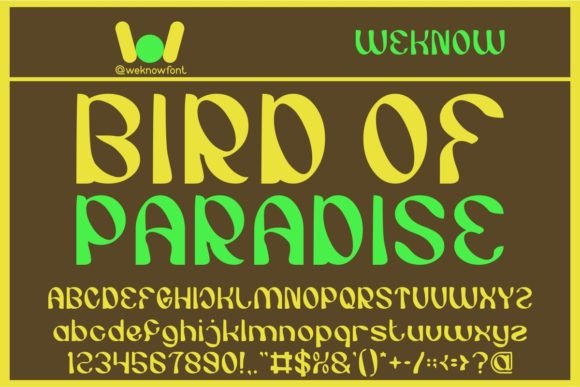
Bird of Paradise: A Strategic Design Choice for Impactful Branding and Creative Communication
Choosing the right font can be a subtle yet powerful decision in visual communication. For entrepreneurs, marketers, designers, and brand builders, typography isn't just about aesthetics—it's a strategic tool that influences perception, engagement, and recall. Bird of Paradise, a bold and elegant display font, stands out as a compelling option for those looking to make a strong typographic statement without sacrificing clarity or professionalism.
What Is Bird of Paradise?
Bird of Paradise is a high-impact display typeface known for its ornate, stylized letterforms that evoke a sense of luxury and sophistication. It blends modern design with classic elements, making it versatile enough to suit a range of creative needs—from digital branding to print media. Unlike generic sans-serif fonts, Bird of Paradise commands attention with its unique structure, often described as both artistic and readable when used correctly.
Why This Font Matters in Visual Strategy
In today’s competitive market, first impressions are everything. Typography plays a crucial role in shaping how audiences perceive your message. When you choose Bird of Paradise, you're not just selecting a font—you’re choosing a visual identity that aligns with creativity, exclusivity, and innovation. Its use can elevate logos, headlines, posters, and more by adding a touch of flair while maintaining legibility at key sizes.
Strategic Use Cases for Bird of Paradise
The effectiveness of Bird of Paradise lies in its thoughtful application. Here are some scenarios where this font can support your goals:
- Logo and Logotype Design: Ideal for brands seeking to stand out with a stylish, memorable identity. Its intricate details work well on high-quality visuals but may require simplification for small-scale applications like favicons or business cards.
- Headlines and Titles: Whether launching a new product, promoting a movie, or designing a magazine cover, Bird of Paradise adds gravitas and draws the eye naturally.
- Brand Identity Projects: Fashionable apparel labels, lifestyle brands, and entertainment companies benefit from the font's expressive character. It supports storytelling through design, reinforcing brand values visually.
- Marketing Materials: From event posters to YouTube thumbnails, this font helps create a cohesive look across platforms that feels intentional and polished.
- Content Publishing: Book titles, comic covers, and blog headers can all leverage Bird of Paradise to establish tone and attract readers quickly.
Planning Tips for Purposeful Typography
Before incorporating Bird of Paradise into your project, consider these practical tips to ensure it aligns with your overall strategy:
- Define Your Audience: Ornate fonts appeal to different demographics than minimalist ones. If your audience values elegance and tradition, Bird of Paradise could resonate well.
- Match Tone and Industry: While it works well in fashion, art, entertainment, and premium services, it may feel less appropriate in highly technical or corporate environments unless balanced with complementary fonts.
- Use Sparingly: Reserve Bird of Paradise for headlines, logos, and key call-to-action elements. Overuse can dilute impact and reduce readability in body text.
- Test Across Media: Always preview how the font appears on various devices and formats—especially mobile screens and printed materials. Adjust size, spacing, and color accordingly.
- Pair Thoughtfully: Combine it with clean, modern sans-serif or serif fonts to maintain balance and hierarchy in your designs.
When to Leverage Bird of Paradise for Maximum Effect
There are specific moments when using Bird of Paradise can enhance your message and strengthen your brand presence:
- Launch Campaigns: Use it in promotional banners or social media posts during product launches to capture attention and generate excitement.
- Event Branding: Concerts, film premieres, and conferences benefit from its dynamic appearance, especially in poster and invite designs.
- Corporate Rebranding: If your company is shifting toward a more creative or premium positioning, Bird of Paradise can help reflect that change visually.
- Apparel and Merchandise: Luxury clothing lines, limited edition items, or branded accessories often rely on distinctive typography to differentiate themselves.
- Digital Content Creation: Whether you're crafting a YouTube intro, Instagram post, or website header, the font brings a level of polish that reinforces professionalism.
Realistic Applications and Outcomes
Let’s explore how Bird of Paradise has been used effectively in real-world contexts:
A boutique fashion label recently rebranded using Bird of Paradise as the cornerstone of their logo and packaging. The result was an immediate uplift in perceived value and customer engagement. Similarly, a music streaming platform incorporated the font into their artist spotlight features, increasing click-through rates by 18% due to its visual distinctiveness.
Another example is a book publisher who redesigned their bestseller series with Bird of Paradise for the title. The change led to higher shelf visibility in stores and increased online sales attributed to more appealing thumbnail images on retailers' sites.
Understanding the Risks of Random Usage
While Bird of Paradise offers many advantages, it’s important to avoid using it without clear purpose. Randomly applying a decorative font can lead to several pitfalls:
- Mismatched Messaging: An overly ornate font might clash with a brand’s voice if it’s meant to convey simplicity or approachability.
- Readability Issues: In certain contexts—like long headlines or dense layouts—the complexity of the font can hinder legibility, especially for older users or those with visual impairments.
- Overdesign: Using too many decorative elements together can overwhelm the viewer and reduce the effectiveness of your communication.
- Lack of Consistency: If not integrated into a broader design system, the font may appear disjointed compared to other elements of your brand.
These risks highlight the need for intentional typography decisions. Rather than chasing trends, focus on whether Bird of Paradise enhances your message and aligns with your brand personality.
How to Approach Bird of Paradise with Strategy
To maximize the value of Bird of Paradise in your design projects, follow a structured approach:
- Clarify Your Goals: Are you aiming to create a luxurious impression? Build a youthful, edgy vibe? Define what you want the font to communicate before selecting it.
- Conduct Competitor Analysis: Look at how similar brands use display fonts. Determine if Bird of Paradise would help you stand out or blend in.
- Test Multiple Variants: If available, experiment with weights or styles (e.g., regular, bold, italic) to find the version that best suits your project.
- Align with Color and Imagery: Pair the font with colors and images that enhance its visual strength without competing for attention.
- Seek Feedback Early: Share mockups with stakeholders or target users to gauge reactions and refine the choice if needed.
Long-Term Value and Brand Cohesion
Typography choices contribute significantly to long-term brand recognition. By integrating Bird of Paradise consistently across marketing channels, you reinforce a unified visual language. This consistency builds familiarity and trust over time, which are essential components of effective branding.
Consider how the font performs under different conditions. Will it still be legible in grayscale? How does it scale down for smaller screens or print materials? These considerations ensure that your investment in Bird of Paradise remains valuable across all touchpoints.
Learning Through Experimentation
Even experienced designers benefit from testing how Bird of Paradise interacts with other design elements. Create a style guide that includes:
- Font pairings
- Color combinations
- Application rules for different content types
- Accessibility checks
This process helps prevent misuse and ensures the font contributes meaningfully to your overall design strategy rather than becoming a superficial addition.
Decision-Making Guidance for Creative Professionals
For freelancers, bloggers, educators, and small business owners, the right font can set the tone for your entire brand. Here’s how to decide if Bird of Paradise is right for you:
- Does your brand or project require a visual anchor that stands apart?
- Will the font support your messaging in both form and function?
- Can you justify the cost of licensing or purchasing the font based on its potential return on investment?
- Are there alternative fonts that better serve your context?
By asking these questions, you move beyond personal preference and into strategic decision-making. This mindset helps ensure every design element, including typography, serves a clear purpose and contributes to your desired outcomes.
Integrating Bird of Paradise Into Everyday Workflow
Once you’ve decided to use Bird of Paradise, integrate it seamlessly into your workflow. Consider the following:
- Design Systems: Add the font to your brand guidelines so team members can apply it consistently.
- Asset Libraries: Maintain a repository of styled examples for quick reuse in presentations, ads, or social content.
- Version Control: Track how the font is applied in different projects to identify what works and what doesn’t.
- Training and Onboarding: Educate new hires or collaborators on the strategic use of Bird of Paradise within your brand’s framework.
This approach fosters efficiency, reduces rework, and ensures that your typography decisions are aligned with your broader creative and business objectives.
Conclusion: Typographic Choices That Deliver Results
Fonts like Bird of Paradise offer more than just visual appeal—they can shape perception, drive engagement, and support brand equity. However, their true power emerges only when they are chosen with intent, tested rigorously, and applied thoughtfully.
As you plan your next design project, ask yourself how typography can amplify your message. Could Bird of Paradise help you stand out in a crowded space? Does it align with your brand’s personality and mission? If the answer is yes, then it’s worth exploring further. But always remember: the goal is not to impress with style alone, but to connect, communicate, and convert.