Cypher: A Futuristic Display Font for Modern Designers
Fonts play a crucial role in visual communication, and choosing the right one can significantly impact the overall aesthetic of your project. Among the many display fonts available today, Cypher stands out with its unique blend of futuristic styling and typographic innovation. Designed to capture attention while maintaining legibility, Cypher is particularly well-suited for use in digital art, branding, posters, and other high-impact design applications where originality and style are key.
What Makes Cypher Unique?
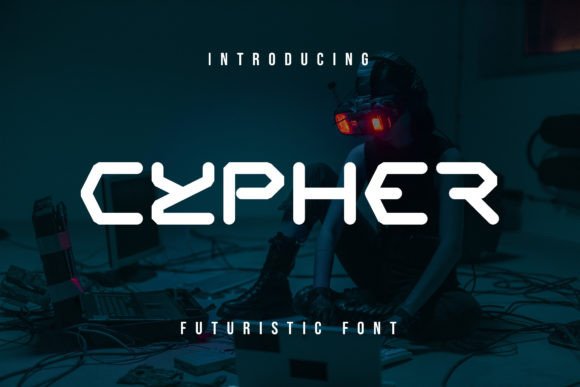
Cypher is a display font that combines sharp angles, geometric shapes, and a clean structure to create a modern, tech-forward appearance. Unlike traditional serif or sans-serif fonts, Cypher embraces a more stylized approach, making it ideal for headlines, logos, and creative projects rather than body text. Its characters often feature subtle variations such as diagonal cuts, asymmetrical forms, and minimalist detailing, which contribute to its distinctive identity.
One of the standout features of Cypher is its adaptability. While it maintains a strong futuristic edge, the font’s design allows it to work across various mediums—from print to screen—and different color schemes. This flexibility makes it a popular choice among graphic designers who want a font that feels contemporary but isn’t limited by context.
Design Characteristics of Cypher
- Geometric Structure: The font uses precise lines and angular curves to convey a sense of order and modernity.
- High Contrast: The contrast between thick and thin strokes adds visual interest and helps the font stand out in compositions.
- Distinctive Letterforms: Many letters have unconventional shapes, such as modified terminals or cutaway sections, which enhance its uniqueness.
- Legible at Large Sizes: Though not ideal for small text, Cypher shines when used in larger sizes where its intricate details become more visible and impactful.
Comparing Cypher to Other Display Fonts
When evaluating display fonts, it's important to consider how they align with your design goals. Cypher falls into the category of modern display fonts, but it has distinct qualities that set it apart from similar options. For example, some futuristic fonts lean heavily on neon effects or complex ligatures, which may limit their usability in certain contexts. In contrast, Cypher offers a balance between form and function, ensuring it remains readable while still delivering a bold visual statement.
If you're comparing Cypher to other cyberpunk-inspired typefaces, you'll find that it doesn’t rely solely on glitchy aesthetics or exaggerated spacing. Instead, it focuses on a streamlined look that conveys technology and progress without being overwhelming. This makes it a versatile option for both commercial and personal design projects.
Strengths of Using Cypher
- Modern Aesthetic: The font’s sleek and futuristic design fits well in themes related to technology, gaming, and sci-fi visuals.
- Brand Identity: Companies looking to establish a cutting-edge image often choose Cypher to reflect innovation and forward-thinking values.
- Customization Options: Depending on the version you choose, Cypher may offer alternate glyphs or weights, allowing for more creative expression.
- Compatibility: It supports a wide range of languages and character sets, making it suitable for international design projects.
Tradeoffs and Limitations
While Cypher excels in many areas, it’s essential to understand its limitations before committing to it for your next project. Like most display fonts, it is not optimized for long paragraphs of text. The complexity of its letterforms and the emphasis on visual flair can make reading difficult if used in smaller sizes or for extended passages.
Additionally, because of its stylized nature, Cypher may not be appropriate for all audiences. In professional or formal settings—such as legal documents, academic papers, or corporate reports—a more traditional font would typically be preferred. Similarly, if your project requires accessibility compliance, it’s wise to pair Cypher with a highly legible secondary font for body copy.
Best-Fit Situations for Cypher
- Headlines and Titles: Use Cypher for eye-catching headers in magazines, websites, or promotional materials.
- Logo Design: Its unique character makes it an excellent choice for creating memorable brand identities.
- Poster and Event Graphics: Whether it’s a music festival or a tech conference, Cypher can add a dynamic feel to your designs.
- Video Game UI and Theming: The font complements the visual language of gaming environments, especially in genres like sci-fi or action-adventure.
Alternatives to Consider
Depending on your specific needs, there are several alternatives that could complement or replace Cypher. If you're seeking a similar futuristic vibe but need something more adaptable for both headings and body text, consider exploring Orbitron or Bungee. These fonts maintain a modern look while offering better readability in mixed-use scenarios.
For those who prefer a more industrial or technical appearance, fonts like Roboto Slab or Montserrat provide a solid foundation with a touch of sophistication. These are great for pairing with Cypher in multi-font layouts, helping to maintain visual hierarchy and clarity.
When to Choose Cypher Over Alternatives
Cypher is best suited for situations where the primary goal is to make a strong visual impression. If your design aims to evoke a sense of innovation, energy, or futurism, this font will likely serve your purpose well. It also works effectively in minimalist compositions where each element must carry weight and meaning.
However, if your project requires extensive use of body text or targets audiences that prioritize clarity over creativity, then a more conventional font might be a better fit. Always evaluate the context of use before finalizing your typography choices.
Real-World Applications and Examples
Let’s explore a few real-world examples of how Cypher can be used effectively:
- Product Launch Posters: A startup launching a new smartwatch used Cypher for the headline “Next Gen Wearables,” drawing immediate attention with its sleek, high-tech look.
- Digital Art Projects: An artist created a series of abstract backgrounds using Cypher to overlay quotes about artificial intelligence, enhancing the theme with the font’s futuristic appeal.
- UI/UX Design: A mobile app developer chose Cypher for button labels and call-to-action elements in a space-themed game, giving the interface a cohesive and immersive feel.
In these cases, Cypher was selected not just for its appearance but for how well it aligned with the message and medium. Each application demonstrates its potential to elevate a design beyond standard typographic choices.
How to Integrate Cypher into Your Workflow
Before downloading and using Cypher, ensure it aligns with your project’s tone and target audience. Once you’ve confirmed its suitability, follow these practical steps to integrate it smoothly into your design workflow:
- Download the Font: Obtain the official version from a trusted font marketplace or the designer’s website to ensure quality and licensing compliance.
- Pair Thoughtfully: Match Cypher with a complementary base font. For instance, pairing it with a simple sans-serif like Open Sans or a classic serif like Merriweather can help maintain readability.
- Test at Different Sizes: Preview the font at varying sizes to confirm it retains its impact and clarity. Avoid using it for anything below 16pt unless absolutely necessary.
- Consider Color and Background: High-contrast pairings (like white text on black) tend to highlight Cypher’s features best, but don’t hesitate to experiment with gradients or transparent overlays for added depth.
Tips for Effective Typography Pairing
- Use one contrasting font to avoid visual clutter.
- Limit the number of alternate styles to keep the design consistent.
- Ensure proper spacing and alignment to prevent the text from appearing disjointed.
Evaluating Cypher Against Project Goals
Choosing the right font involves matching the typographic style to the content and context. To determine whether Cypher is the best fit for your project, ask yourself the following questions:
- Does the design require a bold, futuristic look to engage viewers?
- Will the font be used primarily in headlines or titles, or do I need something for large blocks of text?
- Is the project targeting a tech-savvy or creative audience?
- Do I plan to combine it with other fonts, or will it stand alone?
Answering these questions can guide your decision and help you select a font that enhances rather than hinders your message.
Final Thoughts on Choosing the Right Display Font
In the world of design, typography is more than just text—it’s an expressive tool. Cypher brings a fresh perspective to the table, offering a stylish and innovative solution for those who want to break away from conventional fonts. However, no single font is universally perfect; the right choice depends on the specific needs of your project and the preferences of your audience.
By understanding Cypher’s strengths and limitations, and comparing it with other display fonts, you can make a more informed decision that balances creativity with functionality. Whether you're crafting a logo, designing a poster, or building a website, the right font can transform your work from good to unforgettable.