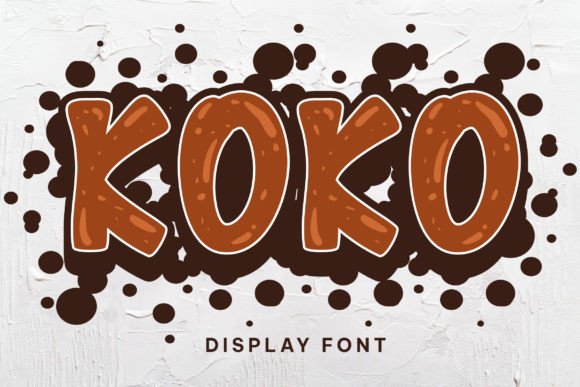
Koko: A Display Font That Elevates Creative Communication
Fonts are more than just visual tools—they are strategic elements that shape perception, convey tone, and enhance the effectiveness of your message. Among the many display fonts available today, Koko stands out for its unique blend of playfulness and professionalism. Designed to capture attention with a sense of joy and energy, Koko is a chic, trendy, and fun font that can transform the way you communicate in both digital and print formats.
Why Koko Is a Strategic Choice for Modern Creators
Display fonts like Koko serve a specific purpose: to create impact. Unlike standard typefaces used for body text, display fonts are optimized for headlines, logos, posters, and other high-visibility applications. The key to using them effectively lies in understanding their role within the broader context of design and communication. Koko’s bold curves and expressive character make it an excellent option when you want to inject personality into your work while maintaining clarity and legibility at larger sizes.
For entrepreneurs, marketers, and designers, choosing the right font can mean the difference between a forgettable brand and one that resonates. Koko offers a distinctive look that aligns well with youthful, creative, or whimsical brands. It’s particularly useful in industries such as entertainment, education, children's products, and lifestyle where emotional appeal plays a strong role in customer engagement.
Use Cases Where Koko Shines
- Brand Names and Logos: If your brand identity benefits from a lively and approachable feel, Koko can help establish a memorable visual presence. Its playful yet polished style works especially well for startups, indie businesses, and creative agencies targeting younger audiences.
- Posters and Event Promotions: Whether promoting a music festival, art exhibition, or community event, Koko adds a dynamic flair that draws the eye. Its versatility allows it to pair well with both minimalist layouts and vibrant, colorful designs.
- Book Covers and Titles: For book covers in genres like fantasy, children’s literature, or motivational publishing, Koko brings an artistic edge without overwhelming the reader. It can be used creatively to highlight titles, chapter headings, or promotional blurbs.
- Quotes and Social Media Graphics: Inspiring quotes often need a font that reflects the mood of the message. Koko is ideal for creating shareable content on platforms like Instagram, Pinterest, and Facebook—especially when paired with bright colors and engaging visuals.
- Children’s Games and Educational Materials: In contexts where learning should be enjoyable, Koko supports a fun and inviting aesthetic. Teachers, game developers, and educational publishers can leverage this font to make materials more appealing and engaging for young users.
How to Use Koko Thoughtfully
Using Koko successfully requires intentionality. While its charm is undeniable, overuse or misuse can dilute its effect. Here are some practical tips to guide your application:
- Define Your Purpose: Ask yourself what you want Koko to achieve. Are you aiming for whimsy, excitement, or a touch of nostalgia? Clarifying your goal will help determine if Koko fits the overall message and audience expectations.
- Balance With Other Fonts: Pair Koko with a clean, sans-serif or serif font for body copy to maintain readability. This contrast ensures the headline commands attention while supporting text remains easy to digest.
- Consider Color and Spacing: Koko has a lot of visual weight, so using contrasting colors and ample spacing can prevent it from feeling cluttered. Light backgrounds with dark text or vice versa tend to work best, depending on the desired emphasis.
- Test Across Platforms: Before finalizing a design, test how Koko appears across different devices and screen resolutions. Ensure it looks crisp and clear whether viewed on a smartphone or printed on a poster.
- Align With Brand Voice: Make sure Koko complements your brand’s personality. If your business is serious or luxury-oriented, it may not be the best fit. However, for brands focused on creativity, innovation, or youth culture, Koko can be a powerful ally.
Strategic Planning Tips for Designers and Marketers
When incorporating Koko into your projects, consider the following planning strategies to maximize its effectiveness:
- Establish a Hierarchy: Use Koko for primary headers or calls-to-action to anchor your design and guide the viewer’s attention. Avoid using it in smaller text sizes where legibility becomes a concern.
- Match Tone and Context: Think about the message you’re delivering. Koko suits lighthearted, joyful, or imaginative content. It may not be appropriate for formal reports, legal documents, or corporate communications.
- Integrate With Visual Elements: Pair Koko with illustrations, icons, or photos that reflect its energetic nature. For example, a cartoon-style logo using Koko would feel cohesive and aligned with the visual language of the project.
- Plan for Accessibility: Always ensure that the use of display fonts doesn’t compromise accessibility. When designing for public consumption, offer alternative text or scalable options to accommodate all users.
Long-Term Value of Using Koko
While Koko is a display font, its value extends beyond aesthetics. When used thoughtfully, it contributes to long-term branding and customer experience goals. A consistent and recognizable typographic style helps build brand equity by reinforcing your visual identity across multiple touchpoints—from websites to packaging to social media.
Freelancers and small business owners can benefit greatly from using Koko in marketing collateral. It gives their materials a professional yet personable feel, which is essential for standing out in competitive markets. Bloggers and publishers might use it for article titles or section headers to add visual interest without sacrificing readability.
Examples of Effective Koko Integration
- A boutique coffee shop could use Koko in its logo and signage to evoke a sense of warmth and creativity. This reinforces a brand image that is welcoming and unique.
- An online course platform focusing on child development might use Koko in promotional banners and email subject lines to create a friendly and engaging atmosphere.
- A book cover designer working on a fantasy novel could incorporate Koko into the title to give it a whimsical and adventurous vibe, enhancing the story’s allure before the reader even opens the first page.
- Event planners could use Koko in invitations and posters for family-friendly events or themed parties, helping set the tone for attendees before they arrive.
Risks of Using Koko Without Clear Goals
Like any tool, Koko carries risks if applied without consideration. One common pitfall is using it too frequently or in inappropriate contexts, which can lead to a disjointed brand identity. For instance, applying Koko to every element of a website may result in visual fatigue and reduce the font’s impact.
Another risk is ignoring legibility in favor of style. While Koko is visually striking, it may not be suitable for long paragraphs or detailed information. Relying on it without pairing it with complementary fonts can compromise user experience and clarity.
Additionally, using Koko inconsistently across different marketing channels can confuse your audience. A unified typographic strategy ensures that your brand feels cohesive and trustworthy. To avoid these issues, always start with a clear design brief and evaluate how Koko serves your specific objectives.
Decision-Making Guidance for Using Koko
Before deciding to use Koko, ask yourself the following questions:
- What is the main message I want to communicate?
- Who is my target audience, and how will they perceive this font?
- Does Koko support the overall tone and purpose of the project?
- Will it remain effective over time, or does it feel too trend-driven for long-term use?
- Am I using it consistently across all relevant platforms?
These questions help ensure that your use of Koko is intentional rather than random. By grounding your choice in strategy and purpose, you increase the likelihood of achieving meaningful results.
Operational and Creative Considerations
Incorporating Koko into your workflow also involves operational decisions. For example, if you're a designer who frequently uses Adobe Creative Suite, check if Koko is compatible with your software and file formats. Similarly, web developers should verify how the font renders across browsers and optimize loading times if embedding it on a site.
On the creative side, explore variations of Koko (if available) to add depth to your designs. Some display fonts offer alternate characters or stylized weights that can enhance visual storytelling. Just remember that more isn’t always better—stick to a few key variations to maintain consistency and control.
Learning and Growth Opportunities
As a creator, experimenting with Koko can be a valuable learning experience. Try using it in different contexts to see how it affects the perception of your work. Over time, you’ll develop a stronger sense of when and how to deploy display fonts strategically.
Collaborate with others in your field to gather feedback. Does the font help tell the story you want? Is it too loud or too soft for the intended message? These insights contribute to your growth as a designer and communicator.
Final Thoughts on Strategic Typography
Typography is a subtle but powerful form of communication. Choosing a font like Koko isn't just about looking good—it's about making decisions that align with your brand’s values and goals. Used wisely, Koko can become a signature element of your visual identity, helping you connect with your audience in a more meaningful way.
Whether you're designing a new product launch, crafting a social media campaign, or rebranding your business, take the time to think through your typographic choices. Let Koko do what it does best—add joy and spark interest—while ensuring that your message remains clear and compelling.