Unlocking Creativity with the Tangle Typeface: A Playful Approach to Modern Typography
The world of typography is vast and ever-evolving, offering a wide range of styles to suit every design need. Among the latest additions to this dynamic field is Tangle, a unique line art typeface that brings a fresh and artistic perspective to visual communication. Designed for versatility and charm, Tangle blends minimalism with playful aesthetics, making it an ideal choice for both professional and personal creative projects.
What Makes Tangle Stand Out?
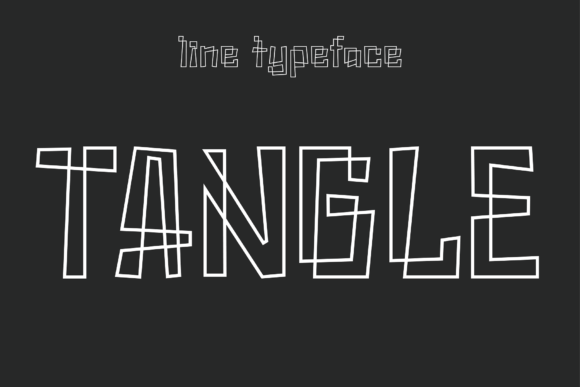
Tangle is more than just a font—it’s a visual experience. Its clean, line-art structure gives it a distinctive look that stands out in today’s crowded design landscape. The typeface features smooth curves and open shapes, which not only enhance readability but also evoke a sense of movement and fluidity. This makes it particularly effective in contexts where you want to draw attention or convey a sense of spontaneity and energy.
Unlike many traditional fonts that prioritize formality and rigidity, Tangle embraces imperfection as part of its charm. Each character feels hand-drawn yet consistent, striking a balance between organic creativity and typographic precision. This duality allows it to fit seamlessly into both digital and print environments while maintaining its unique identity.
A Full-Featured Font Family
Tangle comes equipped with a comprehensive set of characters, including upper and lowercase letters, numerals, punctuation marks, and special symbols. This completeness ensures that it can be used across a wide array of applications without requiring workarounds or supplementary fonts. Whether you're designing a children's book or crafting a modern brand logo, Tangle has the tools you need to bring your vision to life.
Practical Applications of Tangle
Tangle’s adaptability makes it suitable for numerous use cases. Designers and creatives have found it especially valuable in the following areas:
- Posters and Event Banners: Tangle adds a touch of whimsy and elegance to promotional materials, helping them stand out in both urban and rural settings.
- Album Covers and Music Branding: For artists and record labels looking to create a memorable visual identity, Tangle offers a modern yet artistic feel.
- Graphic Designs and Illustrations: When integrated into vector-based artwork, Tangle enhances the overall composition with its soft, flowing lines.
- Social Media Content: In a digital-first era, Tangle helps brands maintain a cohesive and engaging visual language across platforms like Instagram, Facebook, and Twitter.
- Magazines and Editorial Work: Used in headlines or pull quotes, Tangle can add personality to layouts without overwhelming the reader.
- Advertising and Marketing Campaigns: Its eye-catching style works well in slogans and taglines, encouraging viewer engagement and recall.
- Children's Books and Educational Materials: The playful nature of Tangle makes it a natural fit for content aimed at younger audiences, supporting both learning and entertainment.
- Branding and Packaging: From logos to product labels, Tangle can help businesses craft a brand identity that resonates with creativity and innovation.
- Stationery and Personalized Creations: Invitations, greeting cards, and letterheads benefit from Tangle’s elegant simplicity and artistic flair.
Why Choose Tangle Over Other Fonts?
While there are countless fonts available, Tangle distinguishes itself through its thoughtful design and broad usability. Here are some key reasons why professionals and hobbyists alike are choosing Tangle for their next project:
- Visual Appeal: The line art elements of Tangle give it a tactile and almost hand-crafted quality, which is rare in digital typography.
- Modern Versatility: It adapts easily to different sizes and resolutions, ensuring consistency whether displayed on a large billboard or a mobile screen.
- Emotional Resonance: The font conveys warmth and approachability, making it perfect for brands and content that aim to connect on a personal level.
- Design Compatibility: Tangle pairs well with both minimalist and bold design schemes, allowing for greater creative freedom.
- Accessibility: Despite its artistic nature, Tangle remains highly legible, making it suitable for extended reading in certain contexts.
Real-World Examples of Tangle in Use
To understand how Tangle performs in practical scenarios, let’s explore a few real-world examples:
Example 1: Children's Book Title
In a recent illustrated children’s book titled “The Adventures of Lila,” designers opted for Tangle as the primary title font. The font’s rounded edges and expressive forms helped create a sense of curiosity and playfulness, aligning perfectly with the book’s theme. Parents and educators noted that the font made the title more inviting to young readers, increasing initial interest in the story.
Example 2: Festival Poster Design
A local music festival utilized Tangle for its main poster headline. The result was a visually engaging piece that captured the essence of the event—creative, vibrant, and youthful. Attendees commented on how the font made the festival feel more exciting and accessible compared to other events using standard sans-serif fonts.
Example 3: Eco-Friendly Product Packaging
An eco-conscious skincare brand adopted Tangle for its product labels and packaging designs. The font’s clean and organic appearance reinforced the brand’s commitment to sustainability and natural ingredients. Retailers reported higher customer interaction with the products, attributing much of the success to the font’s ability to communicate trust and authenticity.
Considerations for Using Tangle
While Tangle is incredibly versatile, there are a few considerations to keep in mind when incorporating it into your designs:
- Kerning and Spacing: Due to its artistic structure, careful attention should be paid to spacing between characters to ensure readability.
- Contrast and Backgrounds: Tangle works best against simple, solid backgrounds or with subtle textures. Highly detailed or busy backgrounds may distract from its elegance.
- Use in Long Text: Although Tangle is legible, it’s generally recommended for short text rather than body copy. Its stylized nature may reduce clarity when used in long paragraphs.
- Color Pairing: Experiment with color combinations to highlight the font’s unique qualities. Soft pastels often complement its tone, while bold colors can make it pop in high-energy designs.
- Cultural Context: As with any font, consider the audience and context. Tangle may be more appropriate for casual or artistic projects rather than formal business documents.
Integrating Tangle Into Your Workflow
For those ready to incorporate Tangle into their design workflow, the process is straightforward. Most design software such as Adobe Photoshop, Illustrator, and InDesign supports custom font installation. Once installed, users can experiment with different weights (if available) and apply effects like outlines, shadows, or gradients to enhance the font’s visual impact.
When working with Tangle, it’s important to test it across various mediums and devices. A font that looks great on a computer monitor may appear differently on a smartphone or printed material. By conducting these tests early in the design phase, you can ensure optimal performance and aesthetic consistency.
Pairing Tangle with Complementary Fonts
Choosing the right complementary font is essential when using Tangle in multi-font designs. Since Tangle has a decorative edge, it pairs well with more neutral and structured typefaces to balance the composition. Popular choices include:
- Helvetica Neue: A classic sans-serif that provides a clean contrast to Tangle’s line art.
- Georgia: For a more refined and readable serif option that complements Tangle’s softer curves.
- Montserrat: A geometric sans-serif that shares a modern vibe while keeping the layout grounded.
These pairings allow designers to maintain a harmonious visual hierarchy while still leveraging Tangle’s distinctiveness for focal points such as headings or logos.
Future Trends and the Role of Tangle
As the design industry continues to embrace more expressive and customizable typography, fonts like Tangle are likely to gain even more traction. The rise of experiential design and interactive media has created a demand for fonts that go beyond mere functionality—they must tell a story and evoke emotion.
Tangle fits this trend perfectly by offering a blend of fun and professionalism. Educators and researchers who study visual perception have observed that such fonts can significantly influence user engagement and brand recognition. With its growing popularity among creatives, Tangle is poised to become a staple in modern design toolkits.
Exploring Creative Possibilities
One of the most exciting aspects of using Tangle is the opportunity it presents for experimentation. Because of its line art foundation, the font lends itself well to animations, overlays, and mixed-media compositions. Designers have used Tangle in animated titles for YouTube videos, creating a dynamic effect that captures attention and enhances the viewing experience.
Another emerging trend involves combining Tangle with illustrations or icons. The font’s lightweight structure allows it to coexist with graphical elements without competing for visual dominance. This synergy opens up new avenues for branding, storytelling, and user interface design.
Who Can Benefit from Tangle?
Tangle is a font that appeals to a wide range of users. Professionals in graphic design, advertising, and branding will appreciate its ability to elevate visual projects. Consumers interested in DIY crafts or home decor can enjoy using it in personal projects. Creators in the music and publishing industries find it invaluable for album art and editorial design. Educators and researchers studying typography may find Tangle useful for case studies or classroom demonstrations. Hobbyists and business owners alike can leverage its aesthetic to create compelling content that resonates with their target audiences.
Conclusion
Tangle is a testament to the evolving nature of typography. By blending line art with functional design, it offers a fresh alternative to conventional fonts while maintaining the accessibility required for real-world applications. Whether you’re crafting a social media campaign, designing a book cover, or developing a brand identity, Tangle provides the tools to create something truly unique and memorable.
Its growing adoption across diverse fields highlights its value as a creative resource. As designers continue to seek innovative ways to express ideas and emotions through text, Tangle proves that typography can be both beautiful and meaningful.