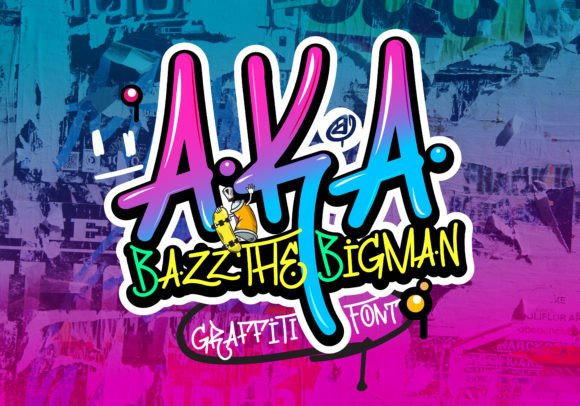
Aka: The Graffiti-Styled Font That Brings Street Vibe to Your Designs
If you're on the hunt for a display font that commands attention and injects personality into your visuals, Aka is a name worth remembering. This graffiti-styled typeface captures the raw energy of street art while maintaining a level of sophistication that makes it surprisingly versatile. It's not just about looking cool—Aka brings real value to creative projects by enhancing brand identity, visual hierarchy, and audience engagement in a way that feels both modern and authentic.
What Makes Aka Stand Out?
Aka’s design is rooted in the urban landscape, where bold strokes and rebellious flair dominate. What sets it apart from other graffiti fonts is its balance between edginess and clarity. While many hand-drawn or stylized fonts can become illegible when scaled down, Aka maintains enough structural integrity to remain readable across different mediums. Its exaggerated letterforms and dynamic angles create an immediate sense of movement and attitude, making it perfect for headlines, logos, and impactful messaging.
The personality of Aka leans toward the adventurous and contemporary. It doesn’t scream "corporate," but it does offer a premium feel that works well with brands wanting to express individuality. Think of it as the bridge between underground culture and mainstream appeal—an asset for anyone looking to stand out without sacrificing professionalism.
Visual Characteristics at a Glance
- Bold Display Style: Designed to pop in large sizes, ideal for headlines and signage.
- Graffiti Influence: Incorporates brushstrokes and irregular shapes for a hand-painted look.
- Versatile Appeal: Works well for both casual and commercial applications thanks to clean spacing and legible forms.
- Modern Typographic Features: Includes ligatures, alternate characters, and multilingual support to enhance creativity and usability.
Where Does Aka Shine?
Aka is more than just a cool-looking font—it’s a functional tool for designers working across various industries. Here are some of the most effective use cases:
Logo Design and Branding
In logo design, first impressions matter. Aka gives brands a fresh, youthful edge without feeling gimmicky. It’s particularly effective for lifestyle, fashion, and youth-oriented businesses. Whether you're designing a logo for a skate shop or a new line of urban-inspired sportswear, Aka adds character and helps establish a strong brand personality.
Design Tip: Pair Aka with a sans serif font like Montserrat or Raleway for a balanced contrast. Use Aka for the main logo text and a cleaner secondary font for taglines or supporting copy to maintain readability and visual harmony.
Editorial and Packaging Design
Magazines, zines, and packaging often benefit from unique typography. Aka can be used creatively in editorial design for titles, pull quotes, or section headers. In packaging, especially for products targeting younger demographics, Aka’s street art vibe can help create a memorable unboxing experience.
Real-World Example: A boutique clothing brand recently used Aka on their product tags and website banners. The result? A cohesive brand identity that felt both approachable and high-end, leading to increased social media shares and customer interaction.
Web and Social Media Graphics
On digital platforms, Aka stands out effortlessly. It’s perfect for hero sections, call-to-action buttons, and social media posts that aim to catch attention quickly. With the right color treatment and background, Aka can transform a simple graphic into something visually striking.
For web design, ensure the font is optimized for screen viewing. Stick to larger sizes (at least 48px) and avoid using it for body text. Use it sparingly to highlight key messages, such as promotions or brand slogans, to keep users engaged and focused.
Print and Merchandise
From t-shirts to posters, Aka has a natural fit in print design. Its high contrast and expressive style translate well onto fabric and paper, giving physical products a distinctive, eye-catching presence. It’s also great for limited-edition campaigns or seasonal collections where visual impact is key.
Pro Insight: When printing Aka on merchandise, always test the font size and weight in mockups before finalizing production. Ensure there’s enough negative space around the text to prevent overcrowding and maintain legibility from a distance.
How Aka Impacts Your Design Strategy
Choosing the right font isn't just about aesthetics; it's about aligning your message with your audience. Aka can significantly influence how your brand or content is perceived:
- Readability: While Aka is best suited for headlines and short phrases, its thoughtful structure ensures that even stylized letters remain clear and easy to read at glance.
- Visual Hierarchy: Aka naturally draws the eye, helping you establish a strong focal point in complex layouts. Use it to emphasize key information or differentiate content levels effectively.
- Brand Perception: If your brand values authenticity, innovation, or a connection to youth culture, Aka can reinforce those traits through typography alone.
- Consistency and Recognition: Repeated use of Aka across marketing materials builds brand familiarity and strengthens visual consistency over time.
- Engagement: In a sea of generic sans serifs, Aka offers a refreshing alternative that sparks curiosity and encourages deeper interaction with your content.
Practical Considerations for Using Aka
Before adding Aka to your project, consider the following to ensure it serves your purpose well:
- Evaluate Project Fit: Ask yourself if the tone and message of your project align with the energetic and modern vibe of Aka. It may not be suitable for formal documents or conservative branding efforts.
- Test Font Pairings: Use tools like MyFonts Font Pair or Adobe’s Typekit to find complementary fonts. Aka pairs well with minimalist sans serifs or elegant script fonts depending on the desired effect.
- Review Included Styles: Make sure the font family includes the necessary weights and styles for your project. Some display fonts only come in one weight, limiting their flexibility. Aka typically offers multiple options to suit different needs.
- Consider Readability: Avoid using Aka in small sizes or dense paragraphs. Save it for headings, logos, and short bursts of text to maintain legibility and visual interest.
- Understand Commercial Licensing: Always check the font’s licensing agreement before using it in client work or for-profit ventures. Many premium fonts require proper attribution or a commercial license to ensure legal compliance.
Bringing Aka Into Your Workflow
Integrating Aka into your design process should be intentional. Start by identifying the elements that need emphasis—like your brand name or headline—and see how the font enhances them. Once you've established its role, build the rest of your design around it to maintain balance and focus.
One common mistake is overusing Aka in every element of a design. To avoid this, limit it to key areas and let it work with more neutral typography. For example, pair it with Helvetica Neue for a subtle yet powerful contrast in a poster layout.
Another consideration is color and texture. Aka looks best against solid or gradient backgrounds, and experimenting with drop shadows, outlines, or textured fills can elevate its appearance. But don’t go overboard—keep the design clean so the font remains the hero, not the distraction.
When to Say No to Aka
While Aka is a standout display font, it’s not a one-size-fits-all solution. Avoid using it in situations where readability is paramount, such as long-form articles or financial reports. Also, if your brand voice is more traditional or corporate, Aka might clash rather than complement your existing assets.
Remember, the goal is to choose a font that supports your message—not overshadow it. Let context guide your decision.
Final Thoughts on Aka
Aka is a modern typographic gem that blends the soul of street art with the practicality needed for today’s design challenges. Whether you're crafting a brand identity, designing a promotional poster, or creating custom apparel, this display font can add that extra layer of visual storytelling your project needs.
As with any creative asset, success lies in knowing when and how to use it. Treat Aka as a strategic component of your design toolkit rather than just another font in your collection. Evaluate its strengths, understand its limitations, and apply it where it will make the biggest impact.
If you're ready to bring a bit of urban edge into your next project, give Aka a try. Just remember to test it in context, review its licensing terms, and let your design goals shape how you incorporate it. Done right, Aka can help turn your ideas into unforgettable visuals.