Banile: The Handwritten Font That Brings Warmth to Your Designs
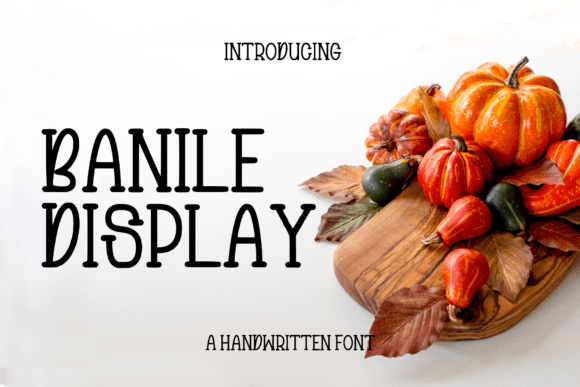
In the ever-evolving world of design, typography plays a crucial role in capturing attention and conveying emotion. One font that’s been gaining popularity among designers, creators, and everyday users is Banile. A friendly and cozy handwritten display font, Banile adds a personal touch to any project—whether it's for crafts, digital design, presentations, or greeting cards. Its natural flow and approachable style make it stand out in a sea of more rigid, formal typefaces.
What Makes Banile Unique?
Banile is not just another decorative font; it's a versatile tool that bridges the gap between casual handwriting and professional design. Unlike many script fonts that can be difficult to read or overly stylized, Banile maintains clarity while still feeling warm and inviting. It mimics the organic rhythm of human handwriting without sacrificing legibility, which is essential when you're aiming to create something both beautiful and functional.
The font’s gentle curves and soft character shapes evoke a sense of familiarity and comfort. This makes it especially effective for content where a personal connection is important, such as branding materials for small businesses, social media posts, or even educational infographics. Because of its balance between artistry and readability, Banile has become a go-to choice for those who want their designs to feel authentic and relatable.
Why Handwritten Fonts Matter in Modern Design
Handwritten fonts have seen a surge in popularity over the last few years, particularly with the rise of minimalist and lifestyle-driven aesthetics. In an age where digital communication often feels impersonal, these fonts help add warmth and individuality to visual content. Banile fits perfectly into this trend, offering a modern interpretation of cursive writing that doesn’t come off as old-fashioned or gimmicky.
Businesses and marketers are increasingly using handwritten fonts like Banile to humanize their brands. For example, wellness companies, boutique shops, and creative startups often incorporate them into logos, packaging, and website headers. This subtle shift helps establish trust and emotional resonance with audiences who value authenticity and craftsmanship.
Banile in Action: Real-World Applications
One of the best things about Banile is its adaptability across different mediums. Here are some common use cases where it truly shines:
- Crafts and DIY Projects: Whether you’re making custom invitations, scrapbooks, or home décor items, Banile brings a handmade feel that elevates your work. Its personality makes each letter feel intentional, turning simple projects into heartfelt creations.
- Digital Design: From mobile app interfaces to web banners, Banile can add a touch of charm without overwhelming the design. It works well as a headline or accent font, drawing the eye while maintaining a clean and cohesive look.
- Presentation Materials: Presentations don’t always need to be serious. Using Banile in titles or key points can make slides more engaging, especially when presenting creative ideas or personal stories.
- Greeting Cards and Stationery: The font’s cozy appearance is ideal for personal messages. It conveys sincerity and thoughtfulness, which are key in handcrafted greeting cards, thank-you notes, and wedding stationery.
Designing with Banile: Tips and Best Practices
To get the most out of Banile, consider the following tips:
- Pair It Wisely: Since Banile is a display font, it should typically be used alongside a more structured sans-serif or serif font for body text. This contrast ensures readability while highlighting the artistic elements.
- Use Sparingly: Display fonts are meant to be used in moderation. Overusing Banile could lead to cluttered designs. Reserve it for headlines, callouts, or short bursts of text where its personality can shine.
- Adjust Spacing and Size: Like many handwritten fonts, Banile may require slight adjustments to kerning and tracking to ensure it looks balanced and visually appealing on screen or in print.
- Experiment with Color and Texture: To enhance the cozy vibe, try using muted tones or adding light gradients and textures. These subtle effects can give your design a tactile, almost paper-like quality.
The Evolution of Typography in the Digital Age
Typography has changed dramatically since the early days of the internet. Initially, only a handful of standard fonts were available due to technical limitations. As web technologies advanced, designers gained access to thousands of fonts through services like Google Fonts and Adobe Typekit. Today, there's a growing demand for fonts that reflect individuality and brand identity rather than generic professionalism.
This shift is evident in how people now engage with content. Audiences are drawn to brands that tell a story and show character. A font like Banile supports this by helping designers communicate warmth and creativity—traits that resonate deeply in today’s experience-focused market. Whether you're creating a blog post, a product label, or a social media graphic, the right font can make all the difference in how your message is received.
How Banile Supports Changing User Expectations
Users today expect more from the content they consume. They want it to be not only informative but also emotionally engaging. Handwritten fonts like Banile help meet this expectation by introducing a human element to otherwise digital experiences. They allow designers to inject personality into their work, which can be especially valuable in niches like lifestyle, education, and personal branding.
For educators and presenters, using Banile can make complex information feel more approachable. When teaching children or adults in a non-traditional setting, a warm and friendly font can ease tension and encourage interaction. Similarly, entrepreneurs looking to build a community around their brand can benefit from the font’s ability to foster a sense of intimacy and trust.
Practical Implications Across Industries
Banile’s usefulness isn't limited to one industry—it can be applied across multiple fields to enhance user experience and visual appeal:
- Marketing and Branding: Use Banile to create memorable taglines, social media captions, or email headers that stand out while feeling genuine.
- E-commerce: Incorporate it into product listings or promotional banners to highlight special offers or handmade items, adding a sense of care and craftsmanship.
- Education and Training: Teachers and instructional designers can use Banile to make learning materials more engaging, especially when targeting younger audiences or using a storytelling approach.
- Freelance and Creative Work: Freelancers in design, illustration, or copywriting can leverage Banile to craft unique portfolios or client proposals that reflect their creative flair.
Realistic Examples of Banile in Use
Let’s take a closer look at how Banile can be integrated into various projects:
- A bakery might use Banile in their logo to evoke a homemade, artisanal feel. Combined with a rustic background and warm colors, it creates a comforting and trustworthy brand image.
- A blogger focusing on mindfulness or productivity could use Banile for section headings or pull quotes. This reinforces the theme of personal growth and intentionality.
- Event planners often turn to fonts like Banile for invitations and signage, especially for weddings or baby showers. Its elegant yet approachable style suits celebrations where personal touches are valued.
- Graphic designers working on apps for mental health or self-care platforms might include Banile in UI elements to create a soothing and welcoming interface.
These examples illustrate how Banile can be adapted to suit a wide range of purposes while maintaining its core appeal: a sense of closeness and creativity.
Choosing the Right Font for Your Project
Selecting the right font is more than just an aesthetic choice—it’s about aligning with your audience and purpose. While Banile excels in informal and expressive settings, it may not be the best fit for every situation. For instance, it’s less suitable for long paragraphs of body text or for environments requiring strict typographic consistency, such as legal documents or financial reports.
When choosing Banile, consider the tone you want to set. Does your project aim to inspire, entertain, educate, or celebrate? If so, Banile’s friendly nature can help amplify that intent. However, if you're designing for a corporate or high-tech environment, a more modern sans-serif might be better suited.
Accessibility and Readability Considerations
While Banile is designed for a cozy and artistic feel, it’s still important to ensure that it meets accessibility standards. Always test how the font appears on different devices and screen sizes. For critical content, pair it with a more readable font to maintain clarity. Additionally, avoid using low-contrast color combinations that might hinder visibility for users with visual impairments.
Many font foundries offer variations of Banile with bold and italic styles, which can improve legibility in certain contexts. These options provide flexibility while keeping the font’s signature warmth intact.
Getting Started with Banile
If you're interested in incorporating Banile into your workflow, here are a few steps to help you begin:
- Find the Font: Search for Banile in your preferred font marketplace. Many designers choose platforms like Creative Market, MyFonts, or Adobe Fonts for reliable and high-quality options.
- Install and Test: Once downloaded, install the font on your computer and test it in your design software. See how it interacts with other elements and whether it complements your overall style.
- Explore Combinations: Try pairing Banile with neutral fonts like Lato, Open Sans, or Montserrat. This contrast will help guide the viewer’s eye and keep the design balanced.
- Get Inspired: Look up projects that use similar fonts for inspiration. Study how they’ve used spacing, color, and layout to maximize impact.
With practice and experimentation, you’ll find ways to make Banile work for your specific needs. Its adaptability means you can apply it to both personal and professional projects with confidence.
Final Thoughts on Banile
In a time when design trends lean toward minimalism and authenticity, Banile stands out as a font that brings both form and function together. It’s not just about looking good—it’s about connecting with your audience in a meaningful way. Whether you're crafting a greeting card for a loved one or designing a presentation for a client, Banile offers a unique blend of style and substance.
As the digital landscape continues to evolve, the need for fonts that express personality and emotion becomes more apparent. Banile meets this need by providing a timeless yet contemporary option for designers across industries. Its potential is limitless, and with thoughtful application, it can become a staple in your creative toolkit.