How Pop Retro Can Elevate Your Design Projects with a Fun, Sketchy, and Funky Vibe
Fonts are more than just tools for readability—they’re powerful design elements that can set the tone, evoke emotions, and even define the era of your project. If you're looking to inject some retro flair into your work, Pop Retro is an excellent choice. This display font blends a fun sketchy style with a funky, nostalgic charm that's perfect for creating eye-catching visuals across a wide range of mediums.
The Unique Style of Pop Retro
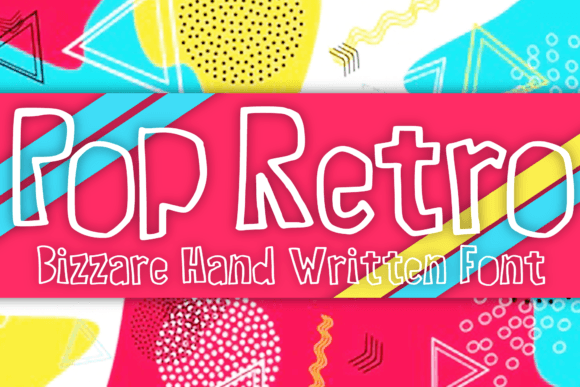
What makes Pop Retro stand out? It’s all in the details. The font has a hand-drawn quality that gives it a playful and slightly imperfect feel—something that feels intentionally vintage rather than digitally sterile. Its bold shapes, exaggerated curves, and whimsical letterforms instantly transport viewers back to the vibrant pop art movement of the mid-20th century. These characteristics make it ideal for designs where you want to communicate energy, nostalgia, or creativity without being too serious.
Each character in Pop Retro is crafted with a retro twist, often incorporating subtle inconsistencies that mimic the look of old-school typewriters or comic book lettering. This imperfection isn't a flaw; it's what gives the font its authenticity and charm. Whether you're working on something small like a greeting card or large-scale such as a poster, this font adds a dynamic visual punch that's hard to ignore.
Why Display Fonts Matter in Modern Design
In today’s fast-paced digital world, first impressions matter. Display fonts like Pop Retro help designers create strong visual identities by making text the focal point. Unlike standard sans-serif or serif fonts used for body copy, display fonts are designed for headlines, logos, and other prominent text areas where they can command attention and express personality.
Using a retro-themed display font allows you to tap into the emotional resonance of past decades while keeping your message current. Pop Retro, in particular, works well for branding that wants to appear approachable, artistic, or simply different from the usual modern typefaces. It's especially effective in industries like fashion, entertainment, food service, and creative arts where standing out is essential.
Practical Applications for Pop Retro
- T-Shirts: Nothing says “vintage cool” better than a t-shirt with a retro font. Pop Retro's bold and expressive characters make it perfect for graphic tees, whether you're designing for a music band, a local event, or a personal collection.
- Greeting Cards: Add warmth and nostalgia to your greeting cards with Pop Retro. It’s great for birthdays, holidays, or thank-you notes that aim to be both stylish and heartfelt.
- Stickers: Stickers often rely on short, punchy text. With Pop Retro, you can create fun and colorful stickers that grab attention and reflect a sense of playfulness.
- Posters: From concert flyers to vintage-style advertisements, Pop Retro brings a lively aesthetic that complements bold colors and retro imagery. It pairs beautifully with distressed textures, halftone patterns, and vintage photos.
- Digital Media: Beyond print, Pop Retro can be used in social media graphics, YouTube thumbnails, and website headers to give online content a classic yet trendy vibe.
Pairing Pop Retro with Other Elements
To truly harness the power of Pop Retro, consider how it interacts with other design components. Since it's a decorative font, it should typically be used sparingly and not for long blocks of text. However, when paired with the right color schemes and supporting fonts, it can become the centerpiece of your design.
For example, using a clean sans-serif font for body text alongside Pop Retro for headings creates a balanced contrast. Color-wise, think about bright, saturated hues like hot pink, electric blue, or sunny yellow—colors that were popular during the pop art era and enhance the font's energetic appeal.
Creating a Cohesive Retro Aesthetic
Retro design is more than just a font—it's a full visual language. To build a cohesive look around Pop Retro, you might incorporate other elements like:
- Old-school photography filters (sepia tones, grain effects, or vintage borders).
- Comic-style speech bubbles or balloons for adding narrative flair.
- Dot patterns and halftones reminiscent of early printing techniques.
- Low-fi textures such as paper tears, ink smudges, or aged backgrounds.
When these elements come together, they create a unified retro theme that feels intentional and immersive. Pop Retro serves as the anchor, giving your design that signature pop of personality it needs to stand out.
Where to Use Pop Retro Most Effectively
Not every design needs a retro font, but for certain projects, it's indispensable. Here are some scenarios where Pop Retro shines:
- Event Branding: Music festivals, retro-themed parties, or vintage-inspired weddings benefit from the nostalgic feel of Pop Retro. It helps reinforce the theme and draws people in with its fun, upbeat appearance.
- Product Packaging: For products that aim to evoke a sense of history or craft, such as artisanal foods, handmade goods, or collectibles, Pop Retro can add a charming touch that enhances brand identity.
- Merchandise and Apparel: As mentioned earlier, clothing items like hoodies, tote bags, or patches often use bold, expressive typography. Pop Retro fits perfectly in these spaces, offering a unique look that turns text into art.
- Editorial Design: Magazines, zines, or blogs focused on culture, music, or art can use Pop Retro in titles or pull quotes to highlight key content and attract readers visually.
Considerations Before Using Pop Retro
While Pop Retro is incredibly versatile, there are a few things to keep in mind before diving into your next project.
Readability: Because it's a decorative display font, Pop Retro may not be suitable for long paragraphs or small text sizes. Always ensure legibility by using it for short phrases and larger scales.
Contrast: Make sure the background contrasts well with the font. Light-colored fonts will need dark backgrounds and vice versa. You might also consider outlining the letters or applying a drop shadow to improve visibility.
Consistency: Even though it's quirky, maintain a consistent look across your design by limiting its use to specific sections. Overusing it can dilute the impact and make the design feel cluttered.
File Format and Licensing: Always check the licensing agreement if you plan to use Pop Retro commercially. Some free fonts have restrictions on usage, so understanding those terms is crucial to avoid legal issues down the line.
Pop Retro in Creative Workflows
Integrating Pop Retro into your design workflow is straightforward. Most modern design software like Adobe Photoshop, Illustrator, Figma, or Canva supports custom fonts. Once installed, you can start experimenting with layer styles, gradients, and overlays to bring out the best in the font.
Designers who enjoy mixing analog and digital aesthetics often find Pop Retro to be a go-to tool for blending the best of both worlds. It's easy to manipulate, which means you can adjust spacing, apply effects, or combine it with other retro assets to create something truly unique.
Real-World Examples of Pop Retro in Action
Let’s take a closer look at how Pop Retro has been used in real-life projects to inspire your own creative endeavors.
- A local coffee shop used Pop Retro on their logo and menu boards to evoke a sense of community and old-school charm. The result was a warm, inviting atmosphere that stood out among sleek, minimalist competitors.
- A music festival incorporated Pop Retro into their promotional posters and social media templates. The font helped establish a youthful, vibrant tone that resonated with their target audience.
- An independent artist used Pop Retro for their album artwork and vinyl sleeve designs. The font added a sense of individuality and helped differentiate their brand in a crowded market.
These examples show how a single font can influence the entire visual identity of a project. When used thoughtfully, Pop Retro becomes more than just text—it becomes part of the story you're telling.
Getting Started with Pop Retro
If you're ready to try Pop Retro in your next design, here are a few tips to help you get started:
- Download the font from a trusted source and install it on your device.
- Experiment with different color combinations to see what looks best against your chosen background.
- Use layer styles like stroke, gradient, or texture overlay to enhance the font’s visual appeal.
- Test the font at various sizes to ensure it remains readable and impactful across different platforms.
- Don’t forget to balance it with simpler fonts for body text or labels to maintain clarity.
Pop Retro as Part of a Nostalgic Trend
There's no denying that retro aesthetics are having a moment. From fashion to technology, brands are increasingly turning to vintage styles to connect with audiences who crave authenticity and a sense of timelessness. In this context, Pop Retro isn't just a font—it's a cultural connector.
This trend is particularly strong in the Gen Z and millennial demographics, who grew up surrounded by digital perfection and often seek the human touch found in older design eras. Pop Retro taps into that desire by offering a font that feels handcrafted, unfiltered, and full of life. It's a great way to align your designs with broader aesthetic movements without compromising on originality.
Combining Old and New: The Best of Both Worlds
One of the most exciting aspects of using Pop Retro is how it bridges the gap between traditional and modern design sensibilities. You can pair it with ultra-modern layouts, neon lighting effects, or glitch animations to create something that’s both contemporary and rooted in the past.
Try using Pop Retro with a transparent glass effect or a pixelated border to blend retro vibes with futuristic trends. This kind of hybrid design is becoming more common in digital marketing, app interfaces, and interactive websites, where the goal is to create something fresh yet familiar.
Final Thoughts on Pop Retro
Choosing the right font can make or break a design, and Pop Retro offers a compelling option for anyone wanting to infuse a bit of retro flair into their work. Its sketchy, funky, and nostalgic style opens up a world of creative possibilities—from t-shirts to posters and everything in between.
As with any design element, success lies in knowing how and when to use it. Pop Retro isn’t for every project, but when applied correctly, it can transform a simple design into something memorable. So why not give it a try? Let your creativity run wild and see how Pop Retro can bring a new dimension to your visual storytelling.