How Kirenager Can Elevate Your Design Projects with Style and Versatility
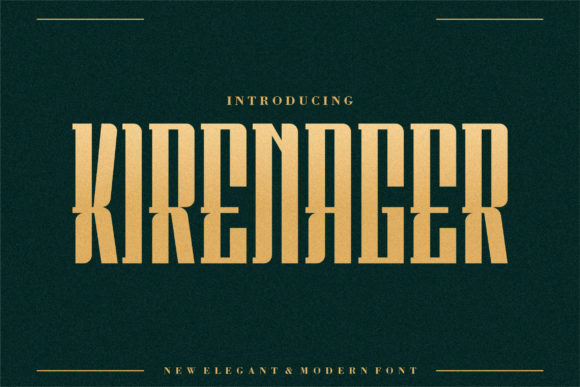
Kirenager is a modern display font that has been gaining attention among designers for its unique aesthetic and adaptability. As a stylish and eye-catching typeface, it stands out in a sea of more conventional fonts by offering a bold, contemporary look that can transform the visual appeal of any creative project. Whether you're working on branding materials, editorial designs, or digital content, Kirenager provides an opportunity to add personality and flair without sacrificing readability.
What Makes Kirenager Unique
Display fonts like Kirenager are specifically designed for short text, headlines, logos, and other prominent visual elements where impact matters most. Unlike serif or sans-serif fonts intended for long-form reading, Kirenager prioritizes style and character. Its design features include clean lines, geometric shapes, and subtle yet distinctive details that give it a refined edge while maintaining a sense of innovation.
One of the standout qualities of Kirenager is its balance between elegance and boldness. It avoids the over-the-top embellishments often seen in decorative fonts, instead focusing on a sleek, minimalist structure that still commands attention. This makes it ideal for both print and digital media, where clarity and visual presence are key. The font also includes a range of stylistic alternates and ligatures, allowing for greater customization and creativity in your typography choices.
Key Characteristics of Kirenager
- Modern Aesthetic: With its geometric construction and smooth curves, Kirenager embodies the spirit of contemporary design.
- High Legibility: Despite being a display font, Kirenager remains highly readable at various sizes, which is not always the case with more ornate typefaces.
- Stylistic Flexibility: Offers multiple weights and styles, including italic variations and special characters, making it versatile for different applications.
- Professional Finish: Designed with attention to detail, Kirenager gives your projects a polished and professional look.
Comparing Kirenager with Other Display Fonts
When evaluating display fonts for a design project, it's important to consider how each one aligns with your goals. Kirenager is part of a growing trend toward minimalist yet expressive typography, but it differs from many others in the category. For instance, fonts like Bebas Neue or Montserrat offer a more rigid, angular appearance, whereas Kirenager’s softer curves and balanced proportions create a smoother, more approachable feel.
If you're looking for something more experimental, fonts such as Bungee or Fredoka One introduce quirky, hand-drawn elements that might not suit every context. In contrast, Kirenager maintains a level of sophistication that works well in both high-end and casual settings. This distinction makes it particularly useful when you want a modern look without leaning into the extremes of novelty or minimalism.
Strengths of Kirenager
Kirenager shines in scenarios where visual impact is crucial. Here are some of its core strengths:
- Headline Excellence: Its strong presence ensures that headlines using Kirenager stand out immediately, drawing the viewer's eye effectively.
- Cross-Media Compatibility: Works seamlessly in both print and digital formats, ensuring consistent quality across platforms.
- Brand Identity Support: Ideal for creating a distinct brand voice, especially for businesses aiming for a fresh, youthful, or innovative image.
- Design Consistency: The font's cohesive set of weights and styles allows for a unified typographic language within a single project.
Tradeoffs and Limitations
While Kirenager offers numerous advantages, it's essential to understand its limitations to ensure it fits your specific needs. Display fonts are typically not recommended for body text due to their lack of subtlety and spacing optimization for extended reading. Kirenager is no exception — using it for large blocks of text could lead to reader fatigue and reduce comprehension.
Additionally, because it’s a display font, Kirenager may not be supported by all operating systems or web browsers without proper embedding. If you're designing for online use, make sure to host the font locally or use a reliable font service to avoid rendering issues.
Best-Fit Situations
There are several situations where Kirenager is an excellent choice. These include:
- Logo Design: Its bold yet elegant form is perfect for crafting memorable logos that communicate professionalism and modernity.
- Poster and Banner Headlines: When used for titles or promotional banners, Kirenager adds a touch of sophistication while remaining legible from a distance.
- Social Media Graphics: On platforms like Instagram or Facebook, where first impressions matter, Kirenager helps your message pop visually.
- Product Packaging: Brands looking to emphasize innovation or lifestyle can benefit from the font's clean, modern look.
When to Choose Kirenager and When to Look Elsewhere
Choosing the right font depends heavily on the context of your project. Kirenager is best suited for uses where a strong typographic statement is needed, but it may fall short if you require a font that supports multilingual scripts or extensive character sets. For example, if you're designing a website that needs to accommodate a wide variety of languages, a more comprehensive font like Open Sans or Roboto would be a better fit.
Another consideration is the tone you wish to convey. Kirenager’s design suggests modernity and confidence, so it works well for tech startups, fashion brands, or creative agencies. However, if your project requires a vintage, traditional, or handwriting-style font, Kirenager may not align with the desired aesthetic. In those cases, exploring script or serif fonts could be more appropriate.
Alternatives to Consider
Depending on your specific requirements, there are several fonts worth comparing to Kirenager:
- Poppins: A popular sans-serif font known for its clean, geometric style. While Poppins is more suited for general use, it shares Kirenager’s emphasis on clarity and modernity.
- Raleway: Another sleek option with a similar focus on legibility and style. Raleway may be better for longer texts or when you need a wider range of weights.
- Lato: Offers a friendly, rounded appearance that contrasts with Kirenager’s sharper edges. Lato is great for user interfaces and websites requiring a warm, approachable tone.
Real-World Applications of Kirenager
To illustrate how Kirenager can enhance your work, let’s explore a few practical examples:
- Editorial Design: A magazine cover featuring a headline in Kirenager can immediately grab attention while maintaining a professional look. Pairing it with a more neutral body font ensures a harmonious layout.
- Event Promotion: For concert posters or festival flyers, Kirenager adds energy and style. Its boldness complements vibrant imagery and color schemes.
- Mobile App UI: When used sparingly for buttons, call-to-action sections, or feature highlights, Kirenager enhances usability by guiding the user’s focus naturally.
- Merchandise Design: T-shirts, mugs, or stickers with Kirenager-based slogans can create a strong visual identity for small businesses or personal brands.
Evaluating Kirenager for Your Needs
Before integrating Kirenager into your workflow, consider the following factors to determine if it's the right fit:
- Project Scope: Is this a short-term promotional piece or a long-term branding initiative? Kirenager excels in the former and can be part of the latter with careful pairing.
- Target Audience: Does your audience respond well to modern, clean aesthetics? If yes, Kirenager will likely resonate positively.
- Medium and Platform: Will the font be used in print, on screen, or both? Ensure it performs well across all intended channels.
- Typographic Harmony: How does Kirenager interact with other fonts in your design system? It should complement rather than clash with supporting typefaces.
Decision Factors to Keep in Mind
Here are a few questions to help guide your decision-making process:
- Do I need a font that conveys innovation and style?
- Will the font be used for headlines or short text only?
- Am I targeting a younger, urban, or design-conscious demographic?
- Can I pair this font with a more functional secondary typeface for balance?
Integrating Kirenager into Your Creative Workflow
Incorporating Kirenager into your design projects can be a game-changer, but it’s important to do so thoughtfully. Start by defining the purpose of the text you're adding — whether it’s a title, tagline, or feature highlight. Then test the font in different contexts, adjusting size, weight, and spacing to see how it performs.
For web designers, embedding Kirenager via CSS or using it through a font hosting service like Google Fonts or Adobe Fonts is straightforward. Always verify cross-browser compatibility and load times to maintain performance. Print designers should download the font and preview it in various sizes to ensure it looks crisp and clear in physical output.
It’s also wise to build a typographic hierarchy around Kirenager. Since it's a display font, it should be used as an accent rather than the primary text font. Combining it with a more subdued sans-serif or serif font creates a balanced and visually engaging layout.
Practical Tips for Using Kirenager
- Use Sparingly: Reserve Kirenager for impactful elements like headlines or logos to prevent overwhelming the design.
- Experiment with Styles: Try the italic or condensed versions for added variety in your compositions.
- Contrast with Simpler Fonts: Pair it with a basic sans-serif like Arial or Helvetica for a classic modern contrast.
- Test on Different Backgrounds: Kirenager looks great on white or dark backgrounds, but always check how it appears on gradients or images to ensure visibility.
Conclusion: Making an Informed Choice with Kirenager
Kirenager is a compelling choice for designers who want to add a touch of modernity and sophistication to their projects. Its versatility, readability, and stylistic appeal make it suitable for a wide array of applications, especially where visual impact is a priority. However, understanding its role as a display font and recognizing its limitations is key to using it effectively.
By weighing its strengths against potential alternatives and considering your project’s specific needs, you can decide whether Kirenager is the right fit. Remember, the goal is to enhance communication and aesthetics — not just to follow trends. Use Kirenager when it serves your design intent, and explore other options when a different tone or functionality is required.