Seashore: A Sparkling Display Font with Style
When it comes to making a visual statement, the right font can elevate your design from ordinary to extraordinary. One such typeface that stands out for its elegance and charm is Seashore. Known for its whimsical flair and intricate details, Seashore brings a touch of sophistication and sparkle to any project. Whether you're a designer, marketer, content creator, or small business owner, understanding what makes this font unique can help you make informed choices about where and how to use it.
What Makes Seashore Unique?
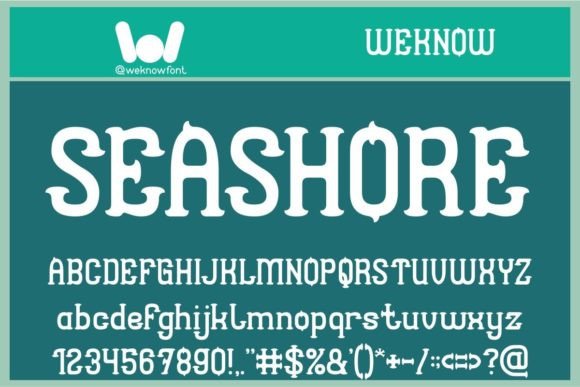
Seashore is not just another display font; it's a carefully crafted typeface designed to capture attention while maintaining a sense of grace. The font features flowing curves, ornate serifs, and subtle embellishments that give it a distinctive personality. These characteristics make it ideal for situations where you want to add a sense of luxury, creativity, or fun to your text.
Unlike standard sans-serif or serif fonts used for body copy, Seashore is best suited for headlines, logos, invitations, and other design elements where visual impact matters most. Its style leans towards the decorative side but still remains legible enough for short bursts of text.
Key Features of Seashore
- Elegant Design: With its detailed strokes and balanced proportions, Seashore offers a refined aesthetic that appeals to both modern and classic tastes.
- High Contrast: The font’s strong contrast between thick and thin lines adds depth and character, making it visually striking on screen and in print.
- Versatile Weight Options: Depending on the version, Seashore may come with multiple weights and styles, allowing for greater flexibility in design projects.
- Unicode Support: It includes support for a wide range of characters, including special symbols and accents, which is essential for international use.
- Web and Print Friendly: Though decorative, Seashore maintains clarity at various sizes, making it suitable for digital and physical media alike.
Who Can Benefit from Using Seashore?
Seashore is particularly useful for professionals and creators who need their designs to stand out. Here are some examples of industries and individuals who might find this font valuable:
- Graphic Designers: Use Seashore to add a creative edge to branding materials, posters, and social media graphics.
- Event Planners: Incorporate the font into wedding invitations, birthday cards, or promotional materials for themed events.
- Marketing Teams: Highlight key messages in advertisements or campaigns that require a stylish and memorable look.
- Business Owners: Enhance your logo or packaging with Seashore to create a more inviting and premium brand image.
- Content Creators: Add flair to YouTube thumbnails, blog headers, or podcast titles to catch your audience's eye.
Real-World Applications of Seashore
Let’s take a closer look at how Seashore can be applied in different scenarios:
- Logo Design: Seashore’s elegant curves and decorative elements make it perfect for creating logos that evoke a sense of class and creativity. For example, a boutique selling handmade jewelry could use Seashore in their logo to convey artistry and uniqueness.
- Social Media Content: If you’re running a fashion or lifestyle brand, using Seashore in your Instagram posts or Facebook banners can help you establish a consistent and stylish visual identity.
- Printed Invitations: Wedding planners and event designers often seek fonts that feel personal and romantic. Seashore fits the bill by offering a handwritten-like appearance with a polished finish.
- Product Packaging: For artisanal products like soaps, candles, or gourmet foods, Seashore can enhance the overall look of the packaging and make it more appealing on store shelves or online marketplaces.
- Website Headers: When used sparingly, Seashore can serve as an excellent header font for websites that aim to create a memorable first impression. Just ensure that the rest of the site uses simpler, more readable fonts for body text.
Strengths and Limitations of Seashore
While Seashore has many strengths, it’s important to understand when and where it works best. This will help avoid misusing it in contexts where readability takes precedence over style.
Strengths
- Visual Appeal: The font’s decorative nature makes it highly effective for grabbing attention and adding personality to a design.
- Customization Potential: With the option to pair it with complementary fonts, Seashore allows for a rich typographic hierarchy in design projects.
- Brand Differentiation: Businesses looking to stand out from competitors can benefit from using Seashore to create a distinct and memorable visual identity.
Limitations
- Not Ideal for Long Text: Due to its stylized form, Seashore isn’t recommended for long paragraphs or body copy where readability is crucial.
- May Require Higher Contrast Backgrounds: To maintain legibility, especially in smaller sizes, it’s best to pair Seashore with high-contrast colors or clean backgrounds.
- Licensing Considerations: Always check the licensing terms before using Seashore in commercial projects to ensure compliance and avoid legal issues.
How to Choose if Seashore is Right for Your Project
Deciding whether to use Seashore depends on your specific goals and the context in which it will appear. Here are some questions to ask yourself before making a choice:
- Do I need a font that conveys elegance or creativity?
- Will the font be used primarily for short text or headlines?
- Is the design style of my project aligned with Seashore’s whimsical and ornate aesthetic?
- Am I targeting an audience that would appreciate a more artistic or luxurious feel?
If you answered “yes” to these questions, Seashore might be a great fit. However, if your project requires minimalism or accessibility, consider pairing it with a more neutral font or using it only in accents.
Practical Tips for Working with Seashore
To get the most out of Seashore, follow these practical tips:
- Use Sparingly: Because of its decorative nature, use Seashore for emphasis rather than throughout your entire design. Overuse can lead to clutter and reduced readability.
- Pair with Simpler Fonts: Combine Seashore with a clean, modern sans-serif or a classic serif font to balance the design and guide the viewer’s attention effectively.
- Test Across Devices: Ensure that Seashore looks good on all platforms—desktop, mobile, and tablet—especially if you plan to use it in web design.
- Consider Color and Spacing: Pairing Seashore with bold colors or generous white space can help it shine without overwhelming the layout.
- Check Licensing: Make sure the font license allows for your intended use (web, print, commercial, etc.) to avoid any issues later on.
Where to Find and How to Use Seashore
Seashore is available on several reputable font marketplaces and foundries. You can typically download it in formats like TTF, OTF, or WOFF to suit your needs. Once downloaded, install the font on your computer or import it into your design software. Most modern graphic design tools like Adobe Photoshop, Illustrator, Figma, or Canva support custom font uploads.
For web developers or those integrating the font into a website, you can also host the font via services like Google Fonts or Adobe Fonts, depending on availability. Alternatively, you can embed the font directly using CSS for more control over its appearance across different browsers and devices.
Best Practices for Web Use
If you're planning to use Seashore on a website, keep the following in mind:
- Optimize for Performance: Large font files can slow down your site. Compress them or use only the necessary characters to improve loading times.
- Ensure Accessibility: Avoid using Seashore for body text or important information that users must read quickly. Reserve it for headings and visual highlights.
- Responsive Design: Test how the font appears on different screen sizes. Adjust font size and spacing accordingly to maintain clarity and aesthetics.
Alternatives to Consider
If Seashore doesn’t quite align with your vision, there are many similar display fonts that offer comparable charm and versatility. Some popular alternatives include:
- Great Vibes – A free script font with a soft, elegant feel.
- Playfair Display – Offers a sophisticated serif style for a timeless look.
- Cormorant Garamond – A decorative serif font that blends tradition with modern design.
- Yellowtail – A cursive-style font with a playful yet refined appearance.
- Bell MT Bold – Provides a vintage flair with strong, clear letterforms.
These options allow you to explore different styles while keeping the same level of visual interest and professionalism that Seashore delivers.
Final Thoughts
Seashore is more than just a decorative font—it’s a powerful tool for enhancing the visual appeal of your projects. By understanding its strengths, limitations, and appropriate use cases, you can decide whether it fits your current needs. As with any font, the key is to use it thoughtfully and purposefully to complement your message and design intent.
Whether you're designing a brand identity, crafting a special invitation, or creating eye-catching content, Seashore offers a unique blend of beauty and functionality. Take the time to experiment with it, see how it pairs with other elements, and let it bring a little sparkle to your work.