Introducing Porky: A Cute and Delicious Handmade Bacon-Inspired Layer Font
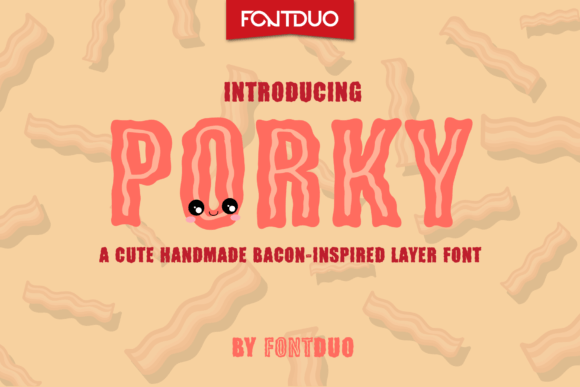
In the ever-evolving world of typography, finding a font that stands out while still being versatile can be a challenge. Enter Porky, a unique and charming layer font inspired by the warm, rustic textures of handmade bacon. This creative typeface isn't just about looks—it brings character, depth, and personality to any design project. Whether you're crafting logos, posters, packaging, or digital content, Porky adds an irresistible touch of whimsy and flavor.
What Makes Porky Special?
The name alone might spark curiosity—Porky sounds like it could belong in a kitchen or on a menu board, but its appeal goes far beyond that. Designed with a layered aesthetic reminiscent of crispy, artisanal bacon strips, this font blends playful curves with bold, textured strokes. The result is a typeface that feels both nostalgic and modern, making it perfect for designers who want to inject warmth and creativity into their work.
- Handcrafted Appeal: Every letter in Porky is designed to look like it was lovingly made by hand, with irregular edges and subtle variations that mimic real-life imperfections.
- Layered Design: Inspired by the overlapping layers of bacon, each character in the font features a multi-layered structure that adds visual interest and dimensionality.
- Versatile Use: While its style is distinctive, Porky remains surprisingly flexible across various applications and industries.
Why Choose Porky for Your Projects?
If you're looking for a font that's more than just functional, Porky offers a delightful blend of form and function. It’s ideal for projects where a bit of personality and charm are needed without compromising readability. Here's why it could be the perfect addition to your font library:
1. Unique Visual Identity
In a market saturated with generic sans-serif and serif fonts, standing out is crucial. Porky delivers just that with its one-of-a-kind design. Its layered characters give text a tactile quality that catches the eye and invites closer inspection. This makes it especially effective for branding, packaging, and social media visuals where first impressions matter most.
2. Perfect for Food and Lifestyle Brands
With its bacon-inspired theme, Porky naturally fits within food-related designs such as menus, restaurant branding, and culinary websites. But its charm doesn’t stop there. The font also works well for lifestyle brands, wellness products, and anything that benefits from a cozy, homemade vibe. Think of farm-to-table cafes, artisanal bakeries, or even home décor shops—Porky can help convey authenticity and approachability.
3. Adds Depth Without Overpowering
Many decorative fonts risk overwhelming the message they’re meant to support. However, Porky strikes a balance between bold and elegant. The layers add richness to the text without making it too busy, allowing the design to remain legible and engaging. This makes it suitable for headlines, titles, and even short body copy when styled appropriately.
4. Works Across Media Formats
Whether you're working on print materials or digital assets, Porky adapts well. In print, the texture and layering shine through high-quality paper and ink; online, it can be used effectively in PNG format for crisp visuals or embedded using web-safe formats if optimized correctly. Its versatility ensures you get consistent results no matter the platform.
How to Use Porky Effectively
Like any special-purpose font, Porky requires thoughtful application to maximize its impact. Here are some practical tips for using it in different contexts:
Pairing with Other Fonts
To avoid visual clutter, consider pairing Porky with simpler, clean fonts for supporting text. For example, use it for headlines with a modern sans-serif like Montserrat or Open Sans for body copy. This contrast helps highlight the uniqueness of Porky while ensuring the overall design remains balanced and easy to read.
Color and Background Considerations
Porky's layered design plays well with muted or earthy tones, which enhance its rustic feel. Avoid using bright or garish colors unless you're aiming for a bold, playful look. Additionally, ensure there's enough contrast between the font and the background. A soft white or cream backdrop often brings out the best in its textured appearance.
Use in Logos and Branding
Logos need to be memorable and visually striking. Porky can help achieve that with its distinctive look. For instance, a local deli or butcher shop could use it in their logo to evoke the feeling of fresh, hand-prepared meats. Similarly, a breakfast café might incorporate it into their signage to create a warm and inviting atmosphere.
Applying in Social Media and Marketing Materials
On platforms like Instagram or Pinterest, where aesthetics play a big role, Porky can elevate your posts. It's particularly useful for creating eye-catching captions, promotional banners, or infographics related to food, health, or lifestyle topics. Just remember to keep the text concise to maintain clarity and engagement.
Real-World Applications of Porky
Let’s explore how Porky has been used in actual design scenarios:
- Craft Beer Labels: A microbrewery wanted to emphasize the "handmade" aspect of their product. They used Porky for the label’s main title, giving it a cozy, artisanal feel that resonated with their target audience.
- Farmers Market Posters: Porky added a sense of homeliness to a series of posters promoting a weekly farmers market. The layered characters gave the impression of freshly made goods, encouraging community interaction.
- Instagram Posts for a Breakfast Business: By using Porky for the headline “Good Mornings Start Here,” the brand created a visual hook that aligned with their focus on hearty, delicious breakfasts.
Designing with Porky: Best Practices
Here are a few considerations to keep in mind when designing with Porky:
- Use Sparingly: Because of its strong visual presence, it's best to use Porky for key elements like headlines or titles rather than long blocks of text.
- Test Scalability: Make sure to test how the font looks at different sizes. Some layer fonts may lose clarity when scaled down, so adjust accordingly.
- Optimize for Web: If you plan to use Porky on websites, ensure it's properly optimized for fast loading times. Convert it to vector-based graphics or use tools like Adobe Fonts for efficient web embedding.
- Experiment with Effects: Try adding subtle shadows, outlines, or gradients to enhance the layered effect and make it pop on your chosen medium.
Comparing Porky to Similar Fonts
While many other decorative fonts exist, Porky has several qualities that set it apart. Unlike overly stylized fonts that can become hard to read, Porky maintains a level of clarity due to its structured layering. Compared to vintage-style fonts, it offers a contemporary twist that appeals to modern audiences. And unlike minimalist fonts, it provides an emotional connection through its whimsical design.
For example, fonts like Baconator or SausageScript aim for similar themes but often lack the refinement and versatility that Porky offers. Its balance between fun and functionality makes it a better choice for professional yet personable designs.
Who Can Benefit Most from Using Porky?
Porky is not just for food-related businesses. Its broad appeal means it can serve a variety of industries and purposes:
- Graphic Designers: Looking for a standout font to impress clients? Porky adds a unique flair to logos, brochures, and marketing collateral.
- Web Developers: Need a quirky font for a landing page or app interface? Porky can help differentiate your site and make it more memorable.
- Content Creators: From YouTube thumbnails to blog headers, Porky can help your content stand out in a crowded feed.
- Print Designers: Its textured layers look fantastic in print, especially when using spot colors or matte finishes.
Where to Find and Download Porky
Ready to bring Porky into your creative toolkit? You can find it on popular font marketplaces like Font Squirrel, MyFonts, or Google Fonts. Always check licensing agreements before downloading, especially if you plan to use it commercially. Many creators offer free personal use versions, but for business applications, purchasing a license is essential to stay compliant.
Once downloaded, install the font on your computer or import it into your design software. Programs like Adobe Photoshop, Illustrator, and InDesign handle layer fonts exceptionally well. Don’t forget to experiment with spacing and alignment to get the best results!
Final Thoughts on Incorporating Porky Into Your Work
Typography is more than just choosing a pretty font—it's about enhancing communication and reinforcing brand identity. With Porky, you get a tool that does both. Its bacon-inspired layers bring a sense of craft and care to your designs, making them feel more personal and engaging.
Still unsure whether Porky is right for your next project? Try it out in a few sample designs and see how it enhances your message. Whether you're creating something for print or digital, this font is a versatile and expressive choice that can leave a lasting impression.