Rose Gold: A Playful Nostalgic Font for Vintage-Inspired Design
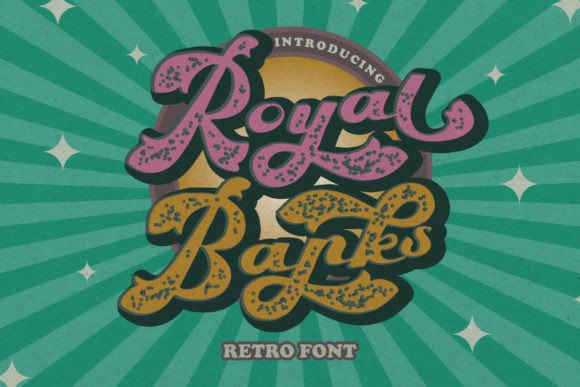
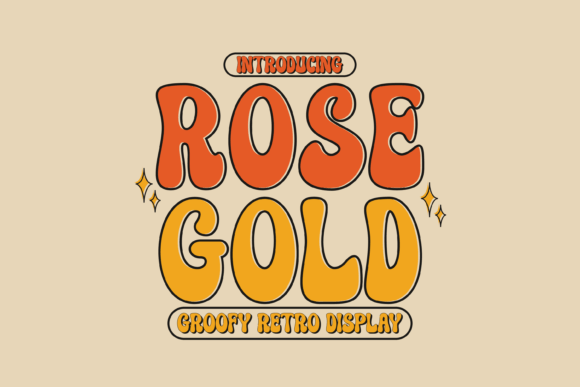
Rose Gold is a display font that blends whimsy with a vintage aesthetic, offering a nostalgic and charming visual appeal. Its design evokes the warmth and elegance of retro typography while maintaining a playful edge that makes it stand out in modern creative projects. Whether you're designing logos, posters, branding materials, or digital content, Rose Gold can add a unique touch that bridges the past and present.
What Makes Rose Gold Unique?
Rose Gold features soft curves, ornate details, and a color palette reminiscent of antique gold tones. These characteristics give it a timeless quality that many designers seek when aiming to evoke a sense of history or romance in their work. The font is masterfully crafted to include a variety of glyphs and swashes, making it versatile for both simple and complex typographic needs.
One of its most notable traits is its PUA (Palette User Access) encoding. This means that all special characters, ligatures, and stylistic variations are easily accessible through your design software without the need for additional plugins or complicated settings. It streamlines the creative process and ensures consistency across different platforms and applications.
Why Consider Rose Gold for Your Project?
- Vintage Appeal: For projects that require a retro or historical vibe, Rose Gold offers an authentic feel that can elevate the overall design experience.
- Playful Elegance: The balance between fun and sophistication makes it ideal for brands targeting a younger audience with a classic twist.
- High Visual Impact: As a display font, it shines in headlines, titles, and other prominent text elements where visual flair is essential.
- Design Flexibility: With its rich glyph set and easy access via PUA encoding, it supports diverse design applications—from invitations to editorial layouts.
Benefits of Using Rose Gold
The primary benefit of using Rose Gold lies in its ability to communicate emotion effectively. Its warm, inviting style can create a sense of nostalgia, luxury, or playfulness depending on how it's applied. Additionally, the font's intricate details and varied character shapes allow for dynamic compositions, especially when used in pairing with simpler sans-serif or serif fonts.
Another advantage is its compatibility. Because it’s PUA encoded, users can rely on consistent rendering across different operating systems and software, which is crucial for professional-grade output. This encoding also simplifies the use of decorative elements like swashes and alternate characters, enabling more creativity without technical hurdles.
Potential Tradeoffs and Limitations
While Rose Gold has many strengths, it’s important to consider its limitations before committing to it as a primary font in your design project. Display fonts, by nature, are not optimized for long-form reading. Their stylized letterforms can make them less legible at smaller sizes or in dense text blocks.
This font may also not be suitable for minimalist or highly modern designs where clean, straightforward typography is preferred. Its ornate appearance could clash with such aesthetics, potentially overwhelming the viewer rather than complementing the design.
Situations Where Rose Gold Excels
Rose Gold is particularly well-suited for the following scenarios:
- Event Branding: Weddings, anniversaries, or vintage-themed events often benefit from a font that adds a romantic and elegant touch.
- Product Packaging: Especially for beauty, fashion, or artisanal products, this font can enhance brand identity with a sense of timelessness.
- Editorial Design: Use it for headings in magazines, blogs, or books with a retro or lifestyle focus.
- Digital Content: Social media graphics, website headers, and promotional banners can gain a distinctive charm when styled with Rose Gold.
In these contexts, the font’s personality complements the visual narrative and helps establish a strong emotional connection with the audience.
When to Choose Alternatives Instead
Despite its versatility, there are situations where Rose Gold might not be the best choice:
- Professional Documents: Reports, resumes, or business proposals typically require clear and readable fonts. Rose Gold is better suited for decorative purposes rather than body text.
- Technical or Educational Materials: In these cases, simplicity and clarity are key. The font’s ornate style may hinder comprehension rather than support it.
- Cross-Cultural Projects: If your design needs to maintain a neutral tone or avoid cultural associations tied to vintage aesthetics, a more contemporary font may be preferable.
Choosing a font involves aligning its style with the purpose and tone of your project. While Rose Gold brings a certain warmth and charm, it’s important to ensure that it serves the message rather than distracts from it.
Practical Tips for Working with Rose Gold
To get the most out of Rose Gold, consider the following tips:
- Pair Thoughtfully: Combine it with a clean, structured font to balance its ornate nature. For example, a modern sans-serif like Montserrat or a refined serif like Playfair Display can provide excellent contrast.
- Use Sparingly: Since it's a display font, reserve it for headlines, subheadings, or short impactful phrases. Overuse can lead to visual fatigue and reduce readability.
- Experiment with Color: Though named "Rose Gold," the font works well with a range of hues—especially muted pinks, warm oranges, and soft pastels—to reinforce its nostalgic feel.
- Test Across Devices: Ensure that the font renders correctly on different screens and platforms. Even though it’s PUA-encoded, previewing in various environments is always a good practice.
These considerations help integrate Rose Gold into your design workflow effectively, ensuring it enhances rather than detracts from your message.
Final Thoughts on Choosing Rose Gold
Rose Gold is a font that stands out due to its nostalgic charm and artistic detail. It can bring a unique dimension to your creative work, especially when used in the right context. However, its effectiveness depends on the specific goals of your project. Before finalizing your choice, ask yourself whether the font’s personality aligns with your intended message and audience.
If your design aims to evoke warmth, elegance, or a touch of old-world charm, then Rose Gold may be an excellent fit. On the other hand, if clarity and neutrality are your priorities, you may want to explore more conventional options. Ultimately, the decision should reflect not only your aesthetic preferences but also the practical needs of your design objectives.